HomeParksGalleryAboutBlogContact Explore Parks
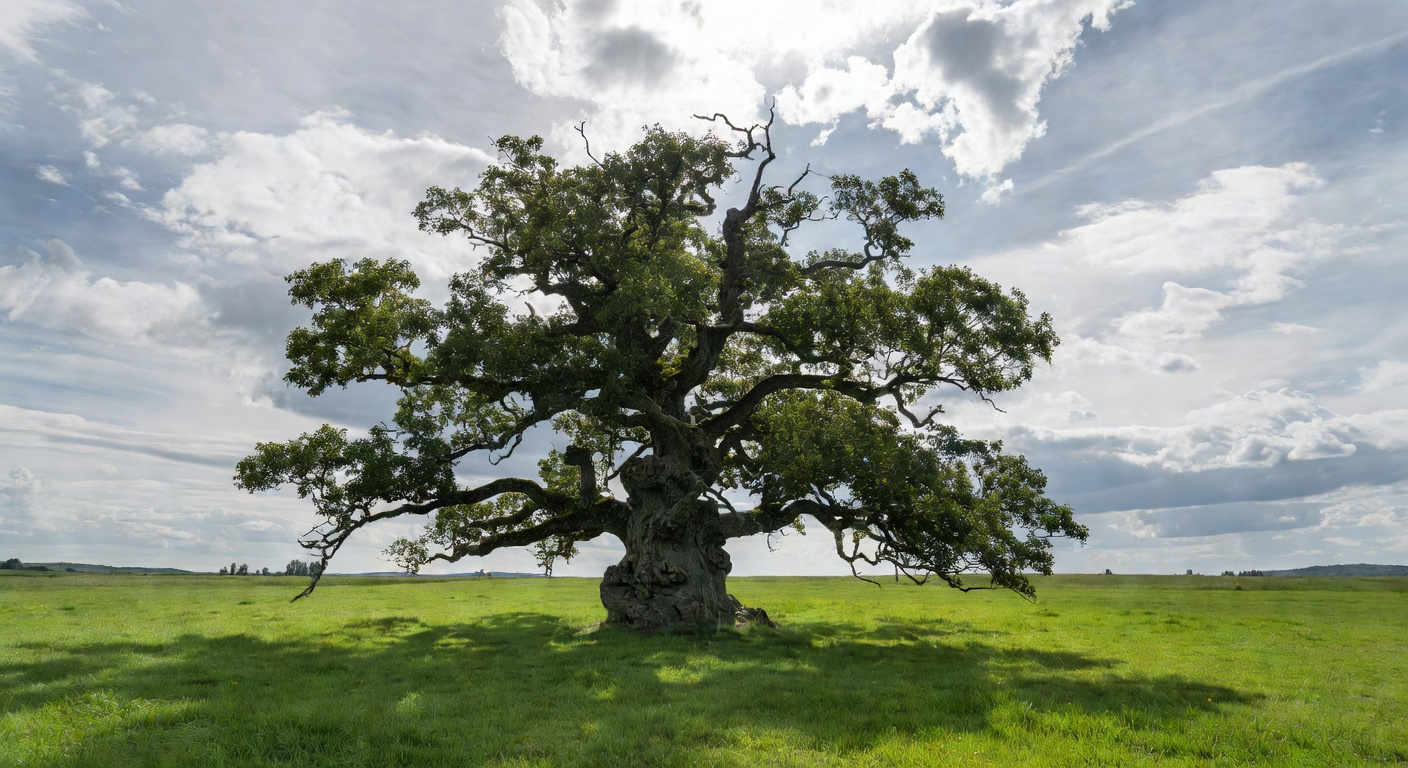
Ancient oak tree standing in a green Latvian field under dramatic sky with scattered clouds

Stories from the Wild

Insights, guides, and tales from Latvia's natural wonders

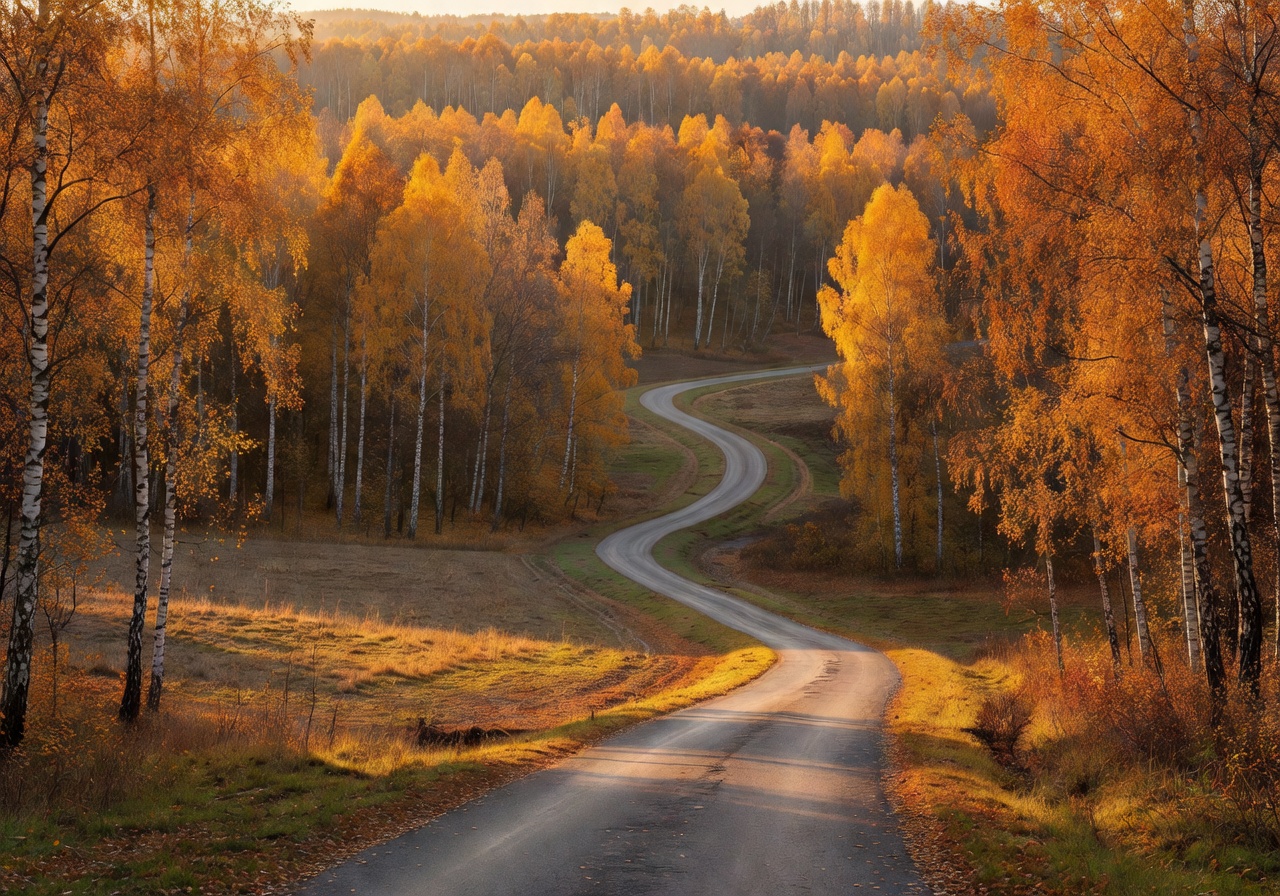
Latvian countryside during autumn showing golden birch forests winding road and warm light Seasons
March 15, 2026 8 min read

The Best Seasons to Visit Latvia's Parks

Latvia is a country of four profoundly distinct seasons, and each one transforms its parks into entirely different worlds. Spring brings an explosion of wildflowers and birdsong as the forests shake off winter's quiet. Summer fills the parks with endless daylight — Latvia's famous "white nights" mean the sun barely sets, giving you golden evenings that stretch past 11 PM.

Autumn is perhaps the most dramatic season: birch trees turn brilliant gold, oaks glow deep amber, and the air carries the earthy scent of fallen leaves. It's a photographer's paradise. Winter, meanwhile, offers a hushed, crystalline beauty — snow-covered paths, frost-decorated branches, and the stark beauty of bare trees against grey skies.

Spring (April – May)

The awakening season. Parks burst with wildflowers, migratory birds return, and the first warm days invite everyone outdoors. Bastejkalna Park's canal reflects cherry blossoms, while Vērmanes Garden hosts its first outdoor events. This is the season of renewal — perfect for those who want to witness nature coming alive.

Summer (June – August)

Long days, warm temperatures, and an abundance of outdoor activities make summer the peak season. Mežaparks comes alive with concerts at the Great Open-Air Stage. Dzintari Forest Park offers the perfect combination of forest shade and nearby beach. The Latvian Midsummer celebration (Jāņi) in June is a must-experience cultural event.

Autumn (September – November)

Golden foliage, crisp air, and fewer crowds make autumn ideal for contemplative visits. The forests surrounding Kronvalda Park display stunning color palettes. Early autumn is still warm enough for comfortable walks, while late autumn offers moody, atmospheric experiences perfect for photography.

Winter (December – February)

Latvia's parks take on a fairy-tale quality under snow. Cross-country skiing in Mežaparks, ice skating near Bastejkalna, and simply enjoying the pristine silence of a snow-covered Vērmanes Garden make winter visits magical. Bundle up and bring a thermos of hot tea.
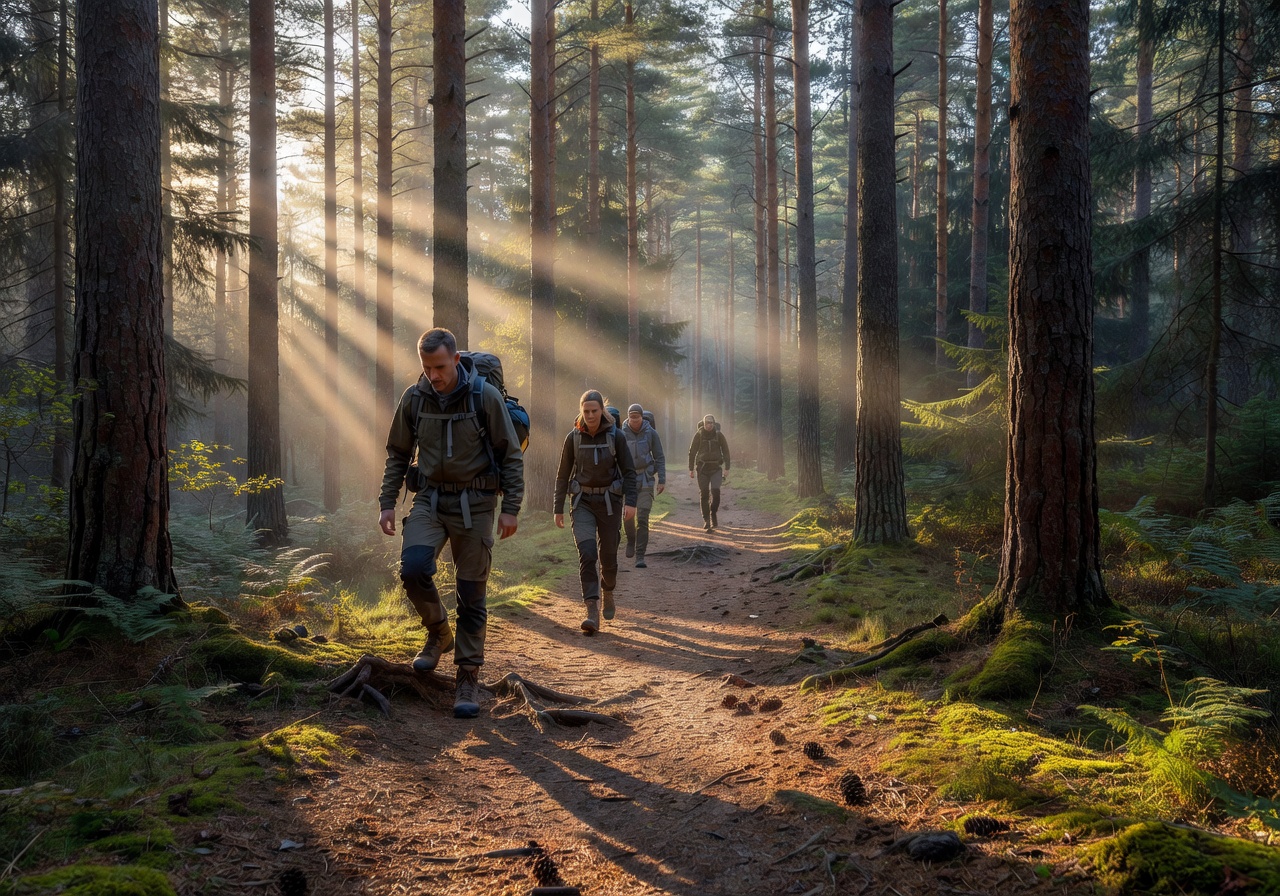
Hikers on a forest trail in Latvia surrounded by tall pine trees in morning sunlight Activities
February 28, 2026 6 min read

Outdoor Activities You Can't Miss in Latvia

Latvia's parks aren't just for walking — they're living adventure playgrounds that offer a remarkable variety of outdoor activities for every fitness level and interest.

Forest Bathing (Shinrin-yoku)

The Japanese practice of "forest bathing" finds a perfect home in Latvia's parks. Mežaparks, with its tall pines and birches, offers an ideal setting for this meditative practice. Simply walking slowly through the forest, breathing deeply, and engaging all your senses has been scientifically proven to reduce stress hormones and boost immune function.

Cycling

Riga has invested heavily in cycling infrastructure, and many parks feature dedicated bike paths. The route through Mežaparks along Lake Ķīšezers is particularly popular, offering flat terrain with beautiful lake views. In Jūrmala, you can cycle from Dzintari Forest Park all the way to the beach.

Birdwatching

Latvia lies on important migratory routes, making its parks excellent birdwatching destinations. Spring and autumn migrations bring rare species through the parks. Mežaparks, with its proximity to Lake Ķīšezers, is especially rewarding for birders.

Photography

Every park on our list offers stunning photography opportunities. The golden hour at Bastejkalna Park, the observation tower views at Dzintari, the Art Nouveau backdrop of Kronvalda — bring your camera and prepare to be inspired.

Yoga & Meditation

Many of Latvia's parks host outdoor yoga sessions during summer months. Even without organized sessions, the peaceful atmosphere of parks like Kronvalda and Vērmanes Garden makes them natural meditation spaces.

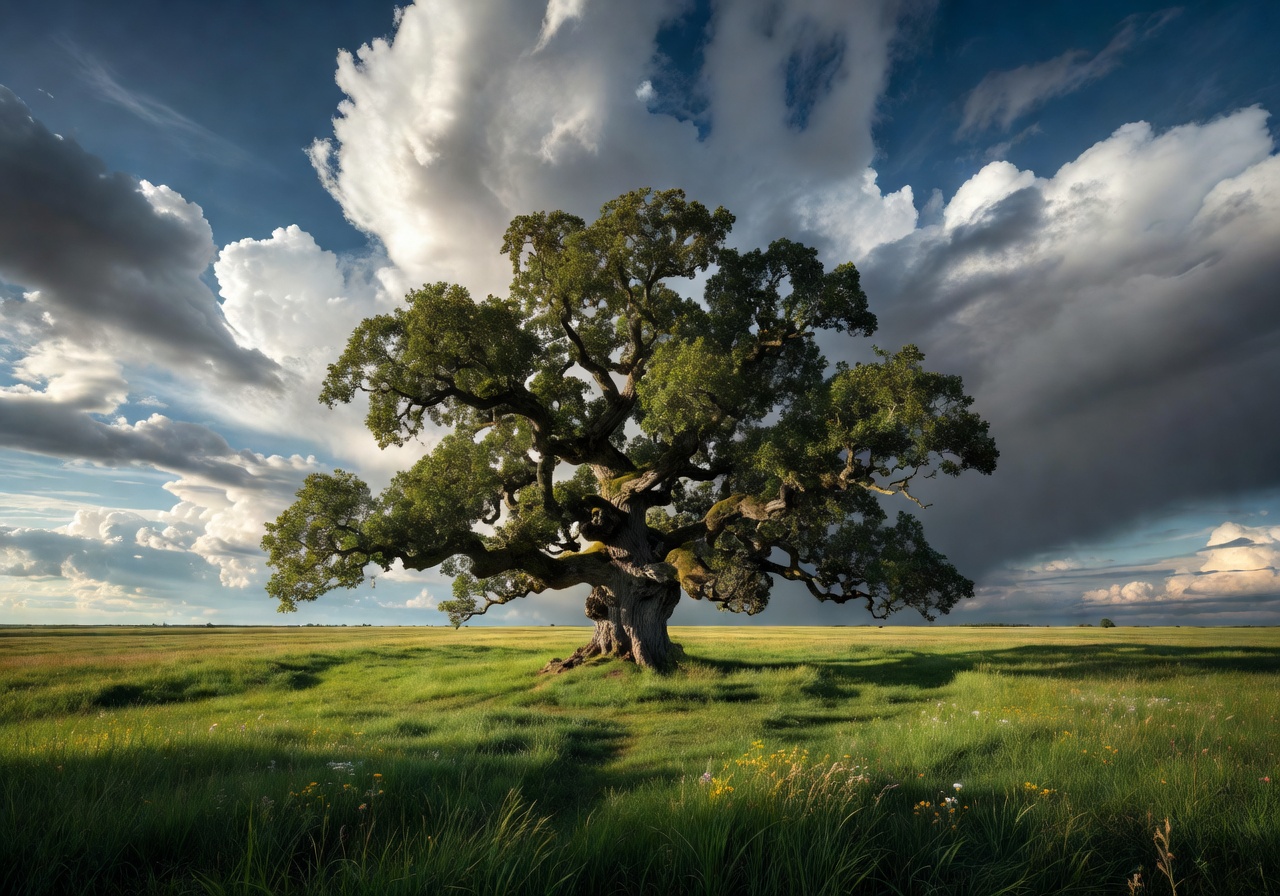
Ancient solitary oak tree in a vast green Latvian meadow under dramatic cloud-filled sky Nature
February 10, 2026 7 min read

Why Latvia is Europe's Hidden Natural Gem

While millions of tourists flock to the beaches of Spain, the mountains of Switzerland, and the cities of France, Latvia quietly harbors some of the most pristine natural environments on the European continent.

With a population of just under 2 million people spread across a territory roughly the size of Ireland, Latvia offers something increasingly rare in modern Europe: space. Vast, unbroken stretches of forest where you can walk for hours in complete solitude. Rivers that flow clean and clear through valleys untouched by heavy industry. A coastline that alternates between white sand beaches and rugged cliffs, most of it blissfully free of development.

The country's public parks represent the most accessible gateway to this natural wealth. Even in the capital city of Riga (population ~600,000), you're never more than a few minutes from a significant green space. This isn't an accident — it reflects a deep cultural value that Latvians place on their relationship with nature.

The Latvian word "daba" (nature) carries almost spiritual significance. Traditional Latvian culture is deeply rooted in nature worship, seasonal celebrations, and a profound respect for the natural world. This cultural DNA manifests in how Latvians design, maintain, and use their parks — not as mere urban amenities, but as sacred spaces where the human spirit can reconnect with something larger than itself.

For the traveler seeking authentic, uncrowded natural experiences in Europe, Latvia represents an extraordinary opportunity. The parks we feature on this site are just the beginning — they're your gateway to discovering a country that has preserved what many others have lost: a genuine, living connection to the wild.